
Rum – from cane fields to cocktails


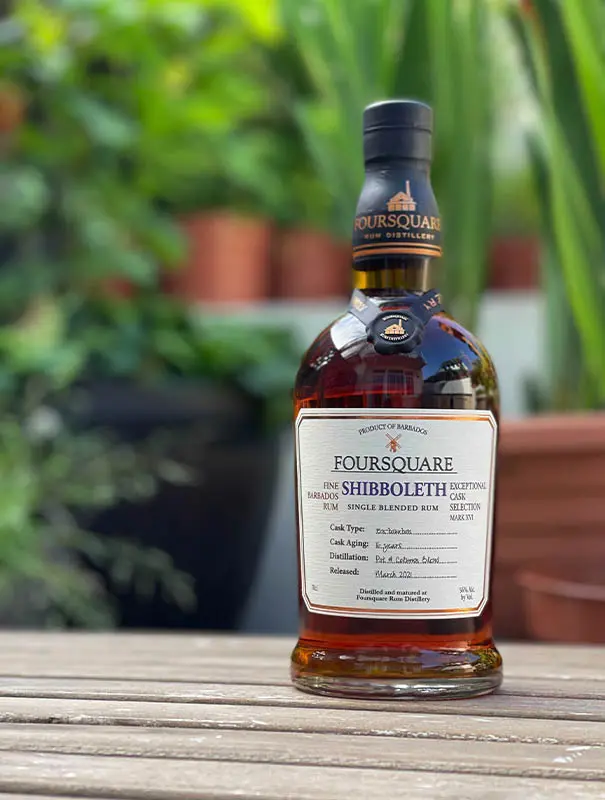
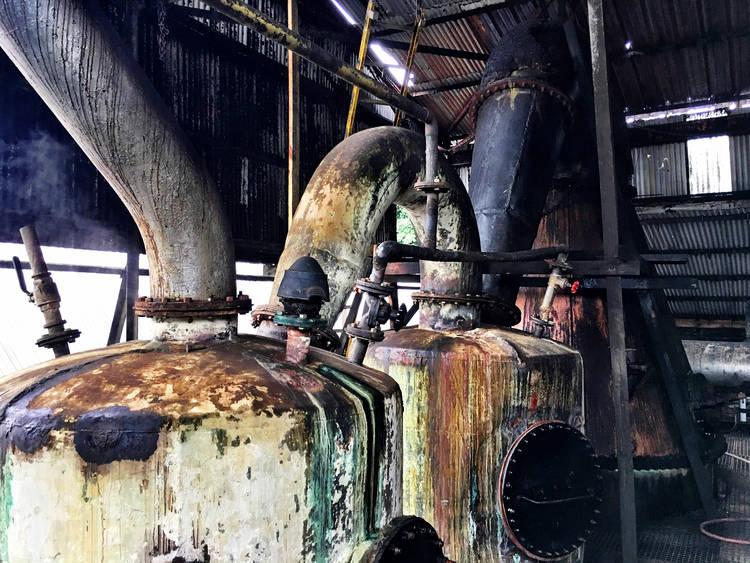


Rum at a Glance – From Cane Fields to Cocktails
Rum’s First Whisper Was a Scream
Rum did not begin as a refined pleasure—it was born of desperation, of sugar’s waste, of enslaved labor and colonial greed. Richard Ligon, a ruined Royalist seeking fortune in Barbados in 1647, gave us one of the earliest English accounts of rum’s existence. In his True and Exact History of the Island of Barbados, written from prison, he described a drink made from sugar skimmings: “infinitely strong, but not very pleasant… the people drink much of it, indeed too much; for it often lays them asleep on the ground, and that is accounted a very unwholesome lodging”.
Source : Richard Ligon, 1585-1682
This wasn’t a toast—it was a warning
Rum was cheap, brutal, and common. It dulled pain and fueled labor, a byproduct of sugar’s empire and a lubricant for suffering.
Ligon’s account is more than a footnote. It’s a window into the Caribbean’s transformation—from lush island to industrial plantation, from paradise to profit. His words remind us that rum’s golden hue hides a darker distillation: of bodies, of culture, of history.
So when we speak of rum, let us not romanticize the “Golden Age.” Let us remember the fire, the chains, and the voices that still echo in every barrel.
Rum is a distilled spirit made by fermenting sugarcane byproducts—typically molasses or fresh cane juice—and then distilling the wash to capture alcohol and flavor compounds. It can be clear or deeply colored, with an alcohol by volume (ABV) ranging from 40 % up to 90 % in overproof expressions. Today, rum is produced in nearly every sugarcane-growing region, making it one of the most globally consumed spirits.
1600s Caribbean Origins
Sugar cane plantations produce molasses, which is fermented and distilled into the first rums in Barbados, Jamaica, and beyond.
Fermentation & Funk
Yeast transforms sugars into alcohol; in Jamaica, long fermentations and “dunder” create high‑ester, funky rums.
Distillation & Trade
Early pot stills evolve into more efficient designs; rum fuels the Triangular Trade between the Caribbean, Africa, and Europe.
Royal Navy Tradition
From the late 1600s, British sailors receive daily rum rations; in 1740 Admiral Edward “Old Grog” Vernon orders it diluted into “grog” with water, sugar, and lime.
Oak Barrel Maturation
Aging in oak casks mellows rum and adds vanilla, spice, and caramel notes; tropical climates speed the process.
Global Spread
Rum becomes a colonial staple, a symbol of rebellion, and later a star of Cuban cocktails and Tiki culture.
Modern Renaissance
Today’s rum ranges from light mixers to premium single‑estate bottlings, with renewed focus on heritage, terroir, and craft methods
History and Origins
The earliest records of rum distillation date back to the Caribbean in the 1620s, where plantation slaves discovered that fermented molasses produced alcohol. Over the next century, rum became central to maritime trade, privateering and naval traditions in Europe and the Americas. The term “rum” first appeared in English around 1654, possibly derived from “rumbullion,” a colloquial term for uproar or tumult. For a deeper dive into rum’s origins, see Rum – Wikipedia.
Production Process
Rum production generally follows four stages:
-
- Raw material
-
- Fermentation
-
- Distillation
-
- Aging and blending
Molasses or cane juice is diluted with water, pitched with yeast and fermented into a “wash.” The wash is then distilled in pot or column stills, creating a clear spirit. Finally, it may be aged in oak barrels—often previously used for bourbon—to develop color and complexity.
Traditional Styles and Classifications
Rum’s incredible diversity arises from differences in base ingredients, distillation methods and aging regimes. Common style categories include:
-
- Light (White)
-
- Gold (Amber)
-
- Dark
-
- Overproof (High-strength)
-
- Rhum Agricole
-
- Spiced
| Style | ABV Range | Key Characteristics |
|---|---|---|
| Light (White) | 40–50 % | Subtle, filtered, ideal for cocktails |
| Gold (Amber) | 40–50 % | Oak-aged, medium body and aroma |
| Dark | 40–55 % | Rich, molasses and caramel notes |
| Overproof | 50–75 % | Bold, used for punches and floater |
| Rhum Agricole | 40–55 % | Cane-juice base, grassy and vegetal |
| Spiced | 35–45 % | Infused with spices and sweeteners |
Global Production and Major Regions
The Caribbean remains the epicenter of rum, with Jamaica, Barbados, Puerto Rico and Martinique leading production. Latin American countries like Cuba and the Dominican Republic also have storied traditions. In recent decades, India and the Philippines have emerged as high-volume producers. For production statistics and regional breakdowns, visit the Distilled Spirits Council.
Traditional Colonial Classification – Three Main Styles
Historically, rum has often been categorized according to colonial heritage, as the European colonial powers shaped production techniques, raw materials, and flavor profiles:
| Style / Heritage | Original Regions | Raw Material & Technique | Typical Traits |
|---|---|---|---|
| British style | Jamaica, Barbados, Guyana, etc. | Molasses-based, pot still (sometimes combined with column still) | Full-bodied, heavy, high ester content, spicy and aromatic |
| Spanish style | Cuba, Puerto Rico, Dominican Republic, Venezuela, etc. | Molasses-based, column still, often filtered | Light, smooth, clean, with more cask character than raw spirit |
| French style | Martinique, Guadeloupe, Réunion, etc. | Fresh sugarcane juice (rhum agricole), column still | Green, herbal, dry, with a distinct sugarcane character |
The Evolution – From Strict Heritage to Open Models
Today, these three styles are still used as reference points, but they are no longer as rigid:
-
- Technical convergence: Many producers combine pot still and column still distillation to balance body and purity.
-
- Raw material variation: Some British-influenced distilleries experiment with fresh sugarcane juice, while Spanish-style producers sometimes skip filtration for more character.
-
- Cask innovation: Cask finishing in sherry, port, wine, or even beer and sake barrels has become common, regardless of origin style.
-
- Globalization: Rum is now produced in countries like Japan, Australia, South Africa, and Sweden, often using hybrid methods.
Hybrid and New Styles
The modern rum world contains many new and blended expressions:
-
- Britto-Spanish hybrids: Lighter column still rum from the Spanish tradition blended with heavier pot still components from the British tradition.
-
- Agricole-inspired molasses rum: Producers in the USA and Australia use molasses but ferment and distill in ways that mimic rhum agricole to achieve herbal notes.
-
- Cask-finished rums: British and Spanish styles finished in wine, cognac, or even mezcal casks.
-
- Single estate rum: The entire process – cultivation, pressing, fermentation, distillation, and aging – takes place on the same estate, often mixing techniques.
Swedish Rum Production and Swedish Oak Aging
Although Sweden’s climate is far from tropical, a small but growing number of distilleries have embraced rum-making, importing high-quality molasses or cane honey from countries like Paraguay, Brazil, and the Dominican Republic2.
Key characteristics of Swedish rum production:
-
- Fermentation: Molasses or cane honey is mixed with pure Swedish water and yeast, developing a wide aromatic range during fermentation.
-
- Distillation: Often done in small copper pot stills or hybrid stills, sometimes under vacuum to preserve delicate aromas.
-
- Nordic maturation: The cool climate slows aging, allowing for longer cask interaction without excessive evaporation (“angel’s share”), producing refined, layered flavors.
Swedish oak casks are a distinctive feature:
-
- Swedish oak (Quercus robur) has a tighter grain than many other oaks, imparting intense spice, vanilla, and toasted notes.
-
- Some distilleries age rum entirely in new Swedish oak, while others use a combination of ex-bourbon barrels and Swedish oak finishing for complexity.
-
- Seasonal temperature swings in Sweden cause the spirit to expand and contract in the wood, enhancing extraction of flavor compounds.
Flavor impact: Rums aged in Swedish oak often show bold spice, cedar, dried fruit, and a richer tannic structure compared to tropical-aged counterparts.
Global Spread
Rum is now produced in over 80 countries. Examples of style blending and spread include:
-
- Japan: Small distilleries in Okinawa and the Ogasawara Islands make both molasses- and juice-based rum, often using casks from local whisky production.
-
- Australia: Traditionally British style, but increasingly incorporating Spanish and French influences in distillation and aging.
-
- Europe: Micro-distilleries in Sweden, Denmark, and Germany import molasses or juice and create their own hybrid styles.
-
- Africa: Mauritius and Madagascar produce both French-style agricole and British-style molasses rum.
Cultural Impact and Traditions
Rum has shaped naval and social customs for centuries:
-
- The British Royal Navy issued a daily “tot” of rum to sailors until 1970, mixed with water or citrus juice as “grog.”
-
- Pirates famously favored rum—earning nicknames like “demon water.”
-
- Rum financed colonial enterprises, contributed to the triangular trade and even fueled rebellion during the American Revolution.
Rum in Cocktails
Renowned for its versatility, rum is featured in countless cocktails. Iconic examples include:
-
- Mojito
-
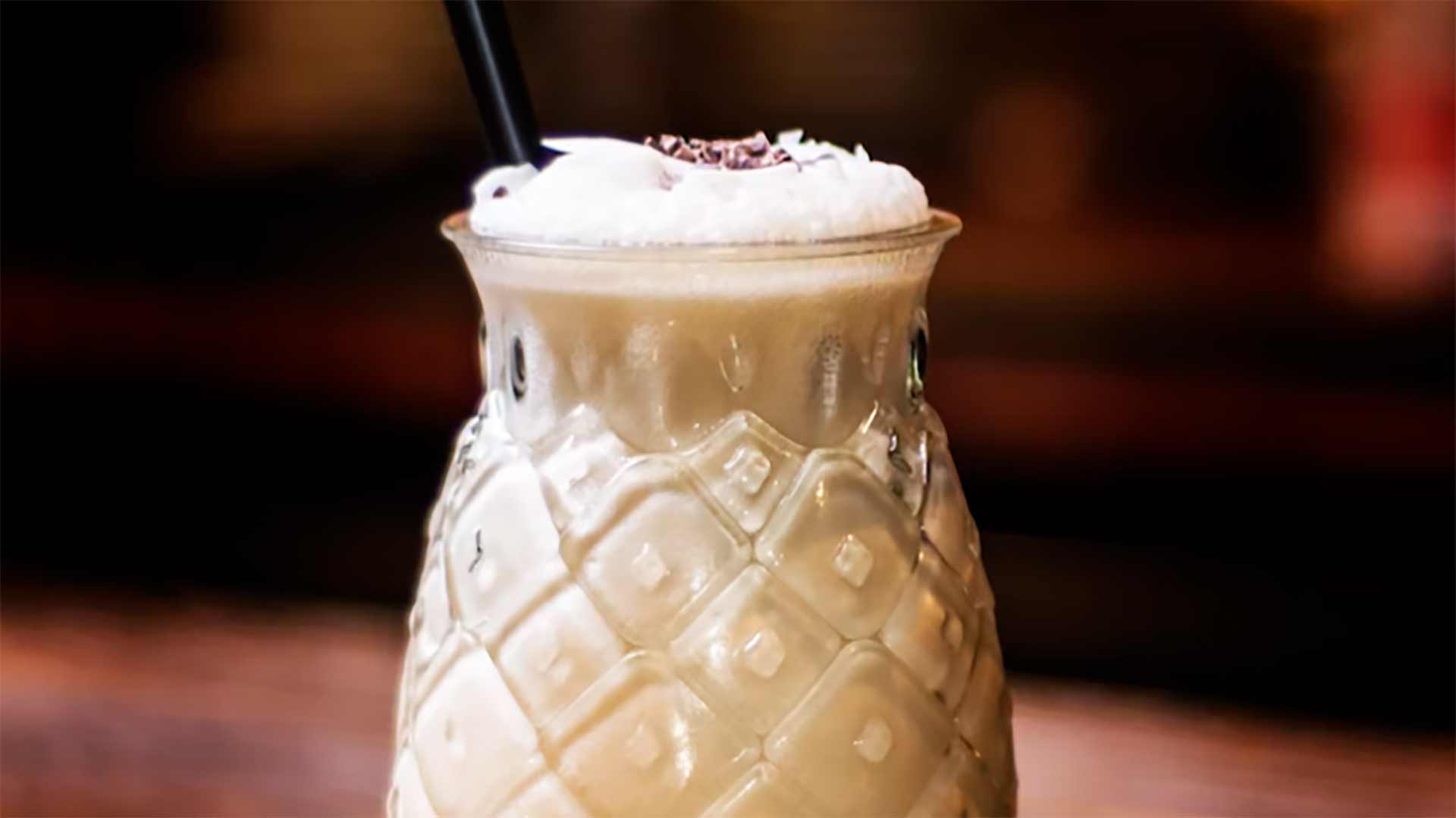
- Piña Colada
Discover recipes and mixology tips at Difford’s Guide.
Health and Nutritional Facts
A standard 1.5 oz (44 mL) shot of 40 % ABV rum contains approximately 70 calories and no fat, carbs or protein. Mixing with sugary juices, syrups or sodas will significantly increase caloric content. Moderate consumption is key to enjoying rum responsibly. For detailed nutritional values, consult the USDA FoodData Central.
Environmental and Sustainable Practices
Leading rum producers are embracing sustainability through:
-
- Renewable energy-powered distilleries
-
- Zero-waste fermentation systems
-
- Reforestation projects for barrel oak
-
- Fair-trade sugarcane sourcing
Flor de Caña, for instance, operates a fully carbon-neutral distillery in Nicaragua—learn more on their sustainability page.
In Search of Overproof
Returning to our quest, “proof” and “overproof” were common rum trade terms. However, as noted earlier, searching for branded overproof rum in Jamaica newspapers of the era turns up few clues. Even the related phrase “over proof rum” turns up little of note turns of little of note. However, in looking over various Jamaican rum brand portfolios, something interesting popped up fairly often and across rum brands: white proof rum. Although not explicitly stated, we can reasonably assume white implied the rum was unaged
The earliest noted references to white proof rum date to the 1870s, when hospitals called for bids to supply it. However, no specific brand was called for. The white proof term disappeared from the newspaper for the most part until the 1930s, when we see the earliest mention of a specific branded expression dubbed white proof rum. A 1931 advertisement for Edwin Charley’s White Proof Rum notes “Curing Colds with Proof Rum,” another reference to its healthcare use.
Source : rumwonk, In Search of Jamaican Overproof Rum History
FAQ – Frequently Asked Questions
What is rum and how is it made?
Rum is a distilled spirit produced from sugarcane byproducts—most commonly molasses or fresh cane juice. Yeast ferments the sugars into alcohol, the resulting “wash” is distilled in pot or column stills, then often aged in oak barrels to develop color and flavor.
Where did rum originate?
The first recorded distillation of rum took place in the Caribbean during the 1620s, when plantation workers began fermenting the molasses left over from sugar production. From there it spread throughout Europe, the Americas and beyond.
What are the traditional types of rum?
-
- Rum styles vary by production and aging:
-
- Light (white) rum—clear, often unaged, ideal for cocktails
-
- Gold (amber) rum—aged briefly in oak, medium body
-
- Dark rum—longer barrel aging, rich caramel and spice notes
-
- Overproof rum—higher ABV (50–75 %), powerful and bold
-
- Rhum Agricole—made from fresh cane juice, grassy and vegetal
-
- Spiced rum—infused with spices, vanilla or sweeteners
What is the difference between light and dark rum?
Light rum is typically bottled immediately after distillation and filtered to remove any color, resulting in a neutral profile. Dark rum undergoes extended aging in charred barrels, picking up deeper hues and complex flavors like toffee, vanilla and dried fruit.
What does overproof mean?
Overproof rum carries an alcohol by volume (ABV) above the typical 40–50 % range—often 50–75 % or higher. It’s used in punches, tiki drinks and for culinary flambé applications where a more potent spirit is desired.
How should this distillate be stored?
Store unopened bottles upright in a cool, dark place away from direct sunlight and temperature extremes. Once opened, seal the bottle tightly and consume within two years to preserve freshness and aromatic character.
Does rum expire?
Properly stored distill does not “go bad” in the way perishable foods do, but it can lose volatility and subtle aromas over time once opened. Unopened, it will remain stable for decades if kept in ideal conditions.
What are some classic rum cocktails?
-
- Rum’s versatility shines in cocktails like:
-
- Daiquiri (rum, lime juice, simple syrup)
-
- Mojito (white rum, mint, lime, sugar, soda)
-
- Piña Colada (rum, coconut cream, pineapple juice)
-
- Mai Tai (rum, orange curaçao, orgeat, lime)
-
- Discover recipes at Difford’s Guide.
How many calories are in a shot of rum?
A standard 1.5 oz (44 mL) shot of 40 % ABV rum contains about 70 calories with zero fat, carbs or protein. Mixers like juices or sodas will significantly increase total calories.
What does “proof” mean on a rum label?
Proof is a historical measure of spirit strength. In modern U.S. labeling, proof is twice the ABV value (e.g., 80 proof = 40 % ABV). The term originated from an 18th-century naval test involving gunpowder ignition to confirm adequate strength.
Conclusion and Further Reading
Rum’s journey from a byproduct of sugar refining to a globally cherished spirit reflects centuries of innovation, trade and cultural exchange. Whether sipped neat, mixed into classic cocktails or explored as artisanal bottlings, this distillate offers endless discovery. For ongoing updates and in-depth articles, explore the International Rum Conference and the Rum & Spirits Foundation.
The colonial tripartite division – British, Spanish, and French – is still useful as a flavor and style compass, but today’s rum world is far more fluid. Producers combine techniques, raw materials, and aging methods across old boundaries. Sweden’s entry into rum-making, with its Nordic climate and unique Swedish oak casks, adds yet another distinctive voice to the global rum conversation.
Useful Rum Fact Links
-
- Difford’s Guide – Rum Cocktails & Recipes
-
- Rum wonk – by Matt Pietrek
Are you also In love with Daiquiri’s, Cocktails and drinks?
“Connect with us on Facebook, Pinterest, and more — share your experiences and join the conversation!”