
The Ultimate Daiquiri & Rum Experience
Welcome to Daiquiri.nu, the global home of daiquiris, rum culture, cocktail history, and modern mixology. Whether you’re a curious beginner or a seasoned rum enthusiast, this is where you discover the magic of a perfectly shaken Daiquiri, explore the world of rum, and learn the craft behind iconic cocktails.
The Complete Guide to the Daiquiri
A Daiquiri is a classic three‑ingredient cocktail made with white rum, fresh lime juice, and sugar, shaken hard and served in a chilled coupe. It’s one of the purest expressions of rum — clean, bright, citrus‑forward, and perfectly balanced.
Quick Facts
- Origin: Daiquirí, Cuba
- Created by: Jennings Cox (c. 1900)
- Flavor: Crisp, refreshing, citrus‑driven
- ABV: ~20–25%
- Glass: Coupe
🧭 Discovering the Magic of a Well‑Shaken Daiquiri
A Daiquiri is simple — but mastering it is an art. Shaking technique, ice quality, dilution, and citrus freshness all shape the final flavor. Here you’ll learn how to create a Daiquiri that’s bright, balanced, and unforgettable.
🧪 What Is Rum? — The Ultimate Rum Guide
Rum is a distilled spirit made from molasses or fresh sugarcane juice, fermented, distilled, and often aged in wooden barrels. Its flavor ranges from light and crisp to deep, rich, funky, or spicy — depending on origin, production style, and climate.
Rum Origins
Rum’s heritage stretches from Caribbean plantations to naval history, pirate lore, and modern craft distilleries. Major rum regions include Jamaica, Barbados, Cuba, Puerto Rico, the Dominican Republic, South America, and Asia.
Rum Production (Step‑by‑Step)
- Sugarcane harvesting
- Juice extraction or molasses production
- Fermentation
- Distillation (pot still vs column still)
- Aging (tropical vs continental)
- Barrel types (bourbon, sherry, cognac)
🌴 The History of the Daiquiri
Born in the late 1800s in the small town of Daiquirí, Cuba, the cocktail was created by American engineer Jennings Cox during the Spanish‑American War. When he ran out of gin, he turned to local rum — mixing it with lime and sugar. The Daiquiri was born.
Hemingway’s Twist
The Daiquiri gained global fame thanks to Ernest Hemingway, who frequented El Floridita in Havana. His version, the Papa Doble, was stronger, drier, and included grapefruit juice and maraschino liqueur.
🍹 Classic Favourites — Make Them at Home
Be inspired by timeless rum cocktails:
- How to make a classic Mojito
- Classic Daiquiri recipe
- Easy Piña Colada at home
- The Cuba libre Cocktail ingredients
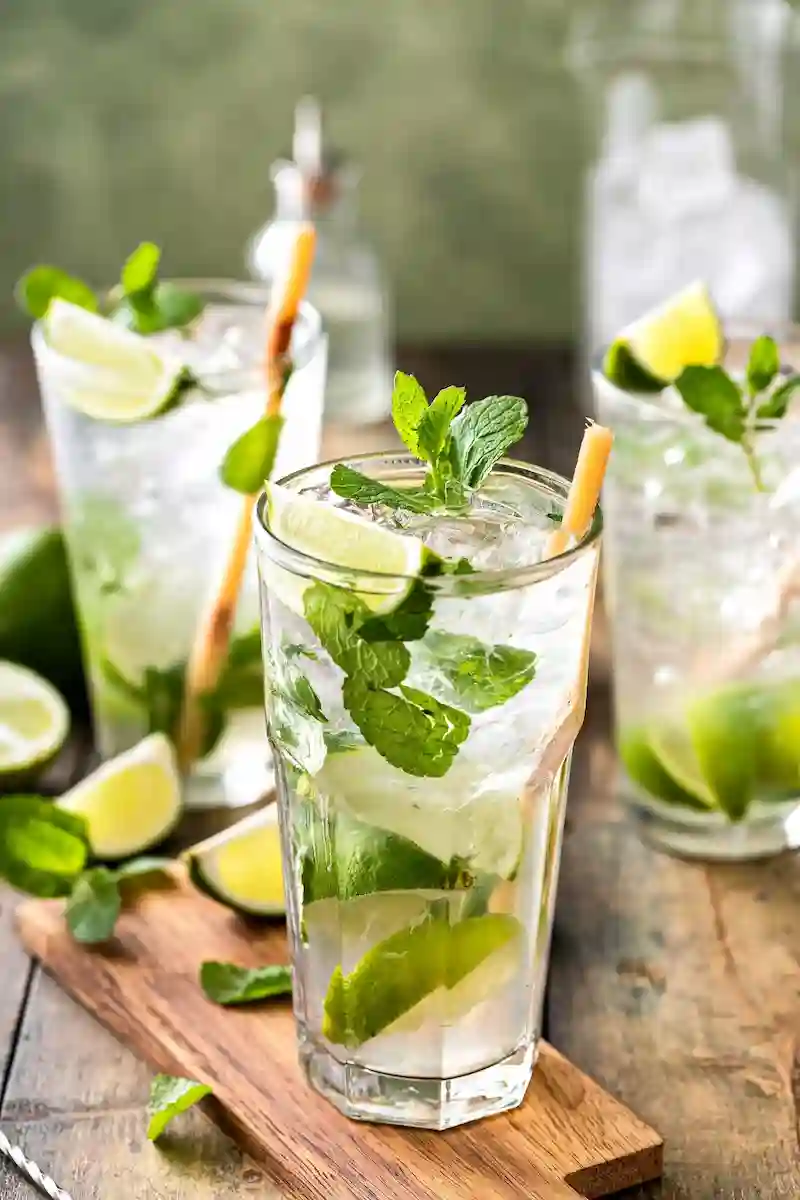
🍃 Mojito — Classic Cuban Rum Cocktail
A Mojito is a refreshing, mint‑forward rum cocktail from Havana, built on white rum, lime, mint, sugar, and soda water. It’s crisp, aromatic, and one of the world’s most iconic rum drinks.
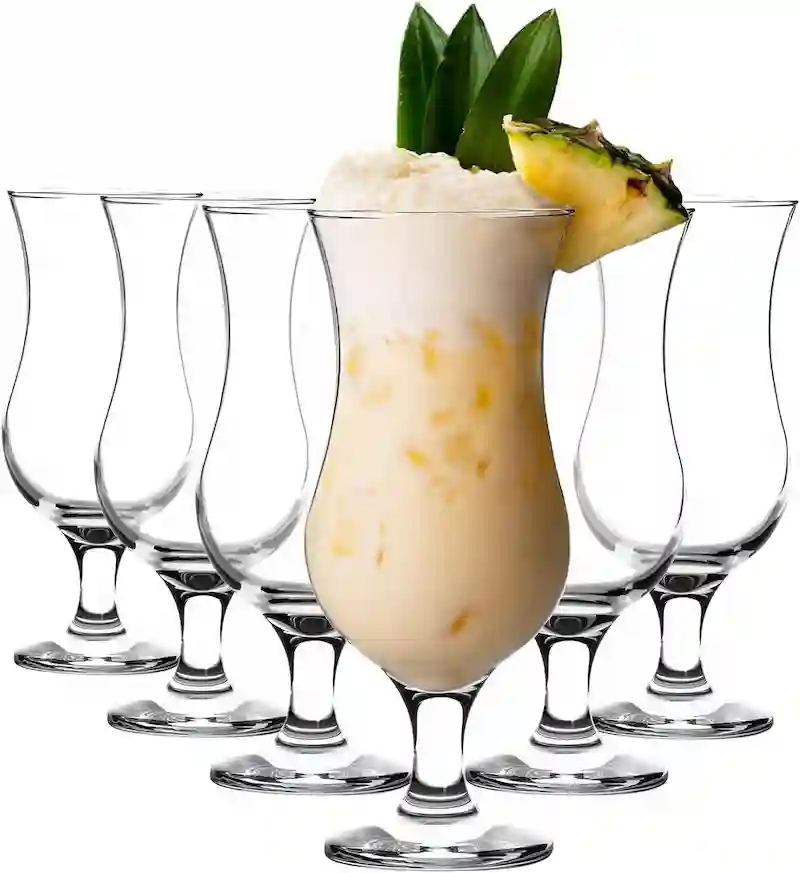
🍍 Piña Colada — Tropical Creamy Rum Classic
A Piña Colada is a sweet, creamy cocktail made with rum, pineapple, coconut cream, and ice.
⭐ Quick Answer
A Piña Colada is a blended tropical rum cocktail made with white rum, pineapple juice, coconut cream, and ice.
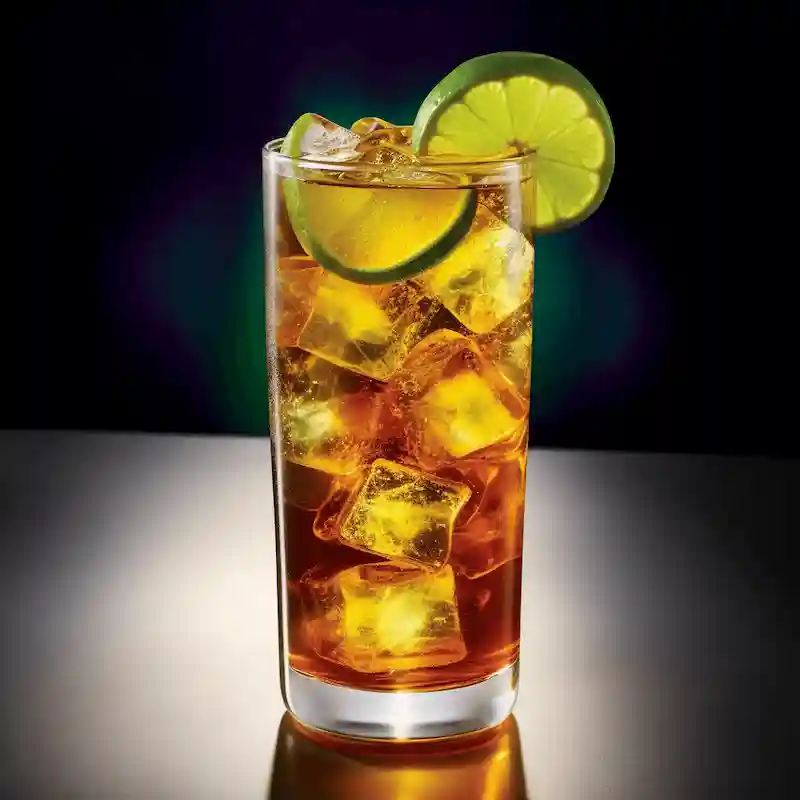
🥤Cuba Libre — Rum, Lime & Cola
A Cuba Libre is a simple, refreshing mix of rum, cola, and fresh lime.
⭐ Quick Answer
A Cuba Libre is a rum cocktail made with gold rum, cola, and lime juice, served over ice.
🔬 Hybrid Rum — Blending Worlds, Breaking Rules
Hybrid rum is an emerging style combining traditional rum‑making with techniques from whisky, cognac, mezcal, and other spirits.
Key Characteristics
- Cross‑category distillation
- Mixed raw materials (molasses + cane juice)
- Dual maturation in multiple casks
- Climate‑blended aging
- Flavor‑driven fermentation innovation
Hybrid rum is especially exciting for non‑tropical distillers, including those in Sweden, who want to create rum with global influences and local identity.
FAQ – Common questions and answers
1. What is a classic Daiquiri and how is it made?
A classic Daiquiri is a simple rum cocktail made with white rum, fresh lime juice, and sugar syrup, shaken with ice and served straight up.
2. Who invented the Daiquiri and where did it originate?
The Daiquiri was created in the early 1900s in Cuba, credited to American mining engineer Jennings Cox in the town of Daiquirí.
3. What type of rum is best for making a Daiquiri?
Light or white rum is traditional, offering a clean, crisp flavor that lets the lime and sugar shine.
4. How is a frozen Daiquiri different from a classic Daiquiri?
A frozen Daiquiri is blended with ice for a slushy texture, while the classic is shaken and served without ice in the glass.
5. Can you make a Daiquiri without alcohol?
Yes — replace rum with soda water, coconut water, or a non‑alcoholic rum alternative for a refreshing mocktail.
6. What are the most popular variations of the Daiquiri cocktail?
Popular twists include the Strawberry Daiquiri, Hemingway Daiquiri, and Banana Daiquiri.
7. How do you balance sweetness and acidity in a Daiquiri?
Use equal parts fresh lime juice and sugar syrup, then adjust to taste for a perfect sweet‑tart balance.
8. What glassware is traditionally used for serving a Daiquiri?
A coupe or cocktail glass is the classic choice for serving a Daiquiri.
9. How strong is a typical Daiquiri in terms of alcohol content?
A standard Daiquiri is around 20–25% ABV, depending on the rum strength and dilution from shaking.
10. What are some other classic rum cocktails similar to the Daiquiri?
Try the Mojito, Piña Colada, or Mai Tai for other rum‑based classics.
Are you also In love with Daiquiri’s, Cocktails and drinks?
“Connect with us on Facebook, Pinterest, and more — share your experiences and join the conversation!”