
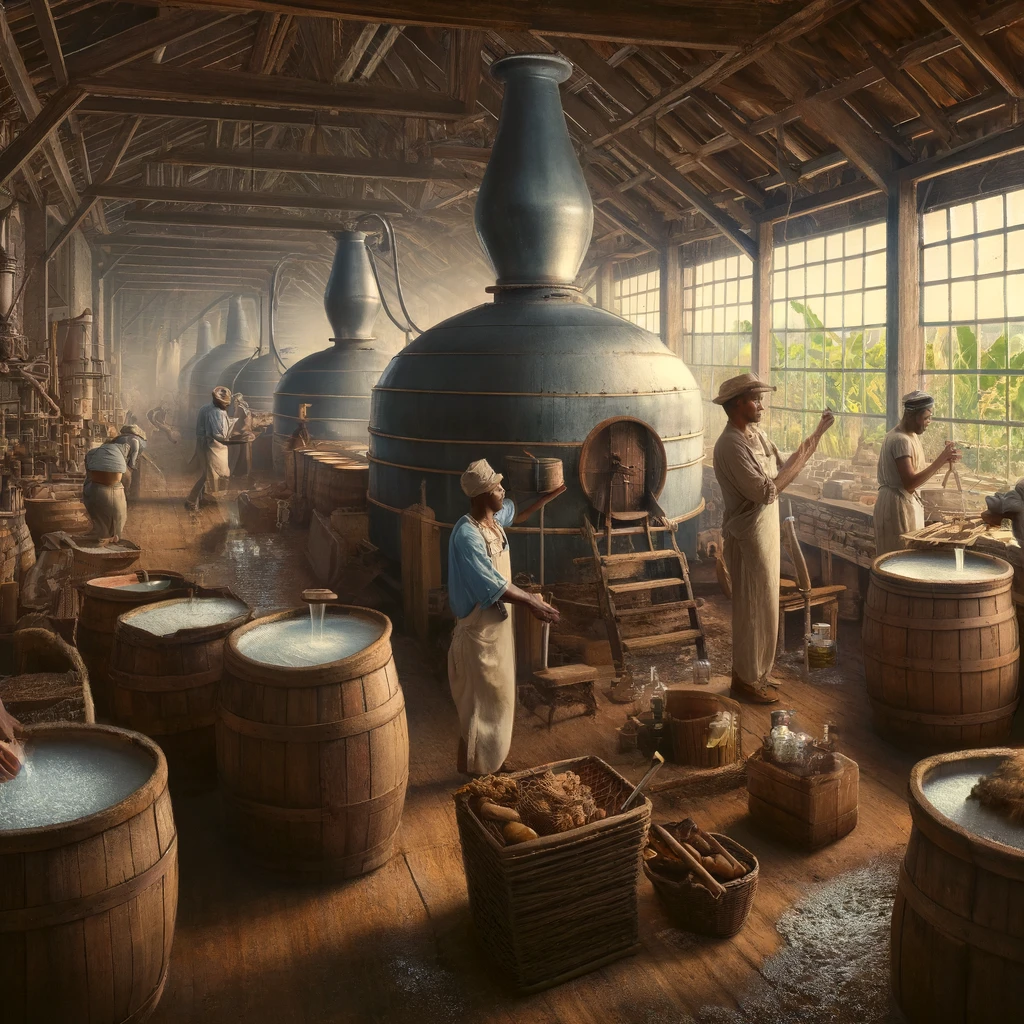
The term “Jamaican Hogo” in the context of rum refers to a distinctive flavor profile. That is often associated with traditional Jamaican rums. The word “hogo” comes from the French term “haut goût,” which means “high taste.” This is a historical culinary expression that describes a strong, highly flavorful, and sometimes gamey taste in meat. But in the context of rum, it refers to a rich and intensely aromatic quality.
Jamaican Hogo is characterized by:
- Fruity and Funky Aromas: These rums often carry a robust. Also with a fruity smell that can remind one of overripe bananas or tropical fruits. There’s also a “funky” note, akin to the earthy zestiness you might find in certain cheeses or fermented products.
- Complex Flavors: Beyond just being sweet. These rums can have layers of flavor including but not limited to, spices, herbs. And a distinct yeasty or bread-like taste.
- Full-bodied Texture: Jamaican Hogo rums are typically full-bodied, offering a rich and viscous mouthfeel that coats the palate.
These unique characteristics arise from traditional Jamaican fermentation and distillation methods. Which include the use of wild yeasts and long fermentation times. This process leads to the development of high levels of esters and congeners—chemical compounds. That contribute to the rum’s aromatic and flavor complexity.
For someone unfamiliar with rum specifics. Imagine a drink that combines the bold, aromatic intensity of a ripe. Tropical fruit with the earthy depth of a finely aged cheese or sourdough bread. This combination makes Jamaican Hogo rums particularly stand out and be a favorite among rum enthusiasts. Looking for a potent and sensory-rich experience in their spirits.
Jamaican style of rum
Jamaican Hogo rums not only offer a rich tapestry of flavors but also reflect a deep cultural heritage. The methods used to create these rums have been passed down through generations. Preserving a piece of Jamaican history in each sip.
The production process, particularly the natural, open-air fermentation, allows the local environment to influence the rum. Embedding a unique geographical signature.
For those new to this style of rum, the flavors might initially come off as quite bold or even overwhelming. However, once acclimatized, many find a deep appreciation for the complex interplay of flavors that Hogo rums offer.
It’s a taste profile that does more than just quench thirst—it invites curiosity and exploration. Making it a fascinating subject for those interested in the nuances of traditional spirits.
For cocktails and simple drinks
In cocktails, Jamaican Hogo rums can transform a simple drink into something extraordinarily flavorful and complex. They are often used in drinks that allow their bold character to shine through. Such as in a classic Rum Punch or a Mai Tai. Where their distinctive notes can truly make the drink stand out.
In summary, Jamaican Hogo rums are a celebration of flavor, tradition, and the art of distillation. They encapsulate a bold spirit of innovation and cultural richness. Making them a beloved choice for those who enjoy a deep, multifaceted taste experience. Whether sipped neat, on the rocks, or as part of a vibrant cocktail. They offer a journey into the heart of Jamaican spirit craftsmanship.
Jamaican Hogo is a fascinating aspect of traditional rum production in Jamaica, well-known for its robust and flavorful profile. The production process is deeply rooted in historical techniques and local practices, contributing to the unique characteristics of the rum.
The Process of Creating Jamaican Hogo
Fermentation
- Traditional Jamaican rum production begins with the fermentation process. Molasses, a byproduct of sugarcane refining, is typically used as the base. This molasses is mixed with water and sometimes “dunder” — the leftover liquid from previous distillations. Which is rich in organic compounds that boost fermentation.
- The fermentation process in Jamaica is often characterized by its openness to natural yeasts. Unlike in other regions where yeast strains might be carefully controlled. Jamaican rum producers often rely on wild yeasts found in the environment. This leads to a longer and less predictable fermentation process. Sometimes lasting up to several weeks, which significantly contributes to the flavor complexity.
- During this stage, high levels of esters are produced. Esters are chemical compounds that form through the reaction of acids and alcohols. Heavily influenced by the yeast and fermentation conditions. They are crucial for creating the fruity and funky flavors associated with Jamaican Hogo.
Distillation
- After fermentation, the liquid, now called “wash,” is distilled. Jamaican rums are typically distilled using pot stills. Which allow for a less refined distillate with more character and flavor than column stills. The pot stills help concentrate the flavors and aromas developed during fermentation. Including the high ester content which defines the Hogo.
Incorporating Hogo into Next Fermentation
- In some traditional setups. A portion of the high-ester distillate might be set aside. Added to the next batch of molasses and dunder in the fermentation tank. This practice not only enhances the ester content of the following batches. But also maintains a consistent flavor profile over successive fermentations.
Storing in the Ground
- A unique, though less common, practice. In Jamaican rum production involves storing some of the rum in underground barrels or tanks. The idea is that the cooler, more stable underground temperatures can influence the maturation process. Impacting the chemical interactions between the rum and its container (often wooden barrels). This method can mellow out some of the sharper notes developed during distillation. To add a subtle earthiness, further enhancing the complexity of the rum.
The entire process from fermentation to maturation. Is designed to amplify and celebrate the natural flavors and aromas of the ingredients. The traditional techniques used in Jamaican rum production. Especially those contributing to the Hogo, make it a truly distinctive spirit, celebrated for its depth and character.
Classification of Jamaican rum makes
In the world of Jamaican rum, the classification of rums based on their ester content is quite specific. Also crucial to understanding the different styles produced on the island. Ester levels in rum are measured in parts per million (ppm). They significantly influence the flavor profile of the rum.
In Jamaica, there are several classifications of rum ester levels. That enthusiasts and experts often discuss, such as STCE, WPL, WPH, TECC and TECA. These terms refer to specific ester ranges that are produced through the fermentation and distillation processes.
Common Jamaican Rum Classifications
Common Clean (CC)
These rums have the lowest ester levels, typically below 150 ppm. They are lighter and have a cleaner taste profile. Suitable for general blending purposes and for consumers who prefer a milder rum.
Plummer
Plummer rums have ester levels ranging from 150 to 200 ppm. They offer a moderate level of complexity and are still relatively approachable. With a good balance of the fruity and funky characteristics associated with Jamaican rum.
Wedderburn
Traditional and robust, Wedderburn rums have ester levels from 200 to 300 ppm. They are known for their strong flavors, which include notable fruity and earthy notes.
Continental Flavored (CF)
These rums have ester levels ranging from 700 to 1,600 ppm, characterized by intense and bold flavors. They are much more pungent and are often used in blends to add complexity and depth.
TECA
TECA refers to rums with extremely high ester levels, typically between 1,200 and 1,600 ppm. These rums are very aromatic and flavorful, with a heavy presence of the “hogo” or the funky, fruity notes
TECC
TECC is at the upper end of the spectrum, with ester levels going beyond 1,600 ppm. Sometimes even exceeding 3,000 ppm. These rums are intensely flavorful, with a profound complexity and a rich, pungent aroma. They are often appreciated by connoisseurs looking for a powerful and distinctive rum experience.
Jamaican rum classifications
These classifications are not just for show but play a critical role in how rums are blended and marketed. Each category appeals to different preferences and uses in cocktails or sipping experiences. High-ester rums like TECA and TECC are particularly valued in the crafting of high-quality blends. For their distinctive flavor profiles that stand out in cocktails. Offering a deep dive into the traditional flavors of Jamaican rum.
Jamaica is home to several renowned rum distilleries, each with its own unique methods and styles of rum production. These distilleries often produce a range of rums. From lighter styles to the very high-ester types that are much celebrated in the rum community.
Jamaican rum distilleries
Appleton Estate
- Types of Makes: Common Clean to Medium Ester
- Notes: One of Jamaica’s oldest and most famous distilleries. Appleton Estate produces a wide range of rums, from smoother, lighter rums suitable for cocktails to richer. More aged expressions favored for sipping.
Hampden Estate

- Types of Makes: Wedderburn, Continental Flavored, TECA, TECC
- Notes: Hampden is renowned for its high-ester rums, using long fermentation times and natural yeasts. Their rums are highly sought after by enthusiasts for their robust and intensely flavorful profiles.
Worthy Park
- Types of Makes: Common Clean to TECA
- Notes: Re-established in 2005 after a hiatus. Worthy Park has quickly become known for its single estate rums that range from lighter to very high ester levels. Capturing a true taste of traditional Jamaican rum.
Long Pond Distillery
- Types of Makes: Plummer, Wedderburn, Continental Flavored
- Notes: Known for its historical techniques and being a part of the sugar estate operations. Long Pond produces a variety of rums including very high ester ones. Using both pot and column stills.
Monymusk Distillery
- Types of Makes: Common Clean to Medium Ester
- Notes: Operating under the Clarendon Distillers umbrella. Monymusk produces a variety of blends and is known for its versatile rums. That appeal to both casual drinkers and rum aficionados.
New Yarmouth Distillery
- Types of Makes: Common Clean, TECC
- Notes: As part of the Campari Group and closely linked with Appleton Estate. New Yarmouth produces both low and very high ester rums. Including some of the highest ester counts in the world.
These distilleries represent the diverse approaches to rum production in Jamaica. Each contributing uniquely to the island’s reputation as a producer of some of the world’s most flavorful and complex rums. Whether through historical production methods or modern innovations, they maintain Jamaica’s esteemed position in the global spirits market.
Leave a Reply