
Dive into the Wild World of Jamaican Rum
Rum enthusiasts, buckle up! Jamaican rum isn’t just another spirit – it’s a wild ride through flavor town. Armed with a funky character that sets it apart in the vast sea of spirits. With a heritage rich in intriguing practices, Jamaican rum boasts a high-ester profile that’s so distinctive. It’s like the bass drop at a reggae concert for your taste buds.
What Makes Jamaican Rum So Special?
Let’s talk about the elephant in the room: that unmistakable funk. In the world of Jamaican rum, this is referred to as “haut gout” or “hogo”. Which charmingly translates to “high taste.” This isn’t your ordinary flavor; it’s the result of a centuries-old distillation process that includes a very special ingredient—dunder.
Dunder: The Heart of the Funk
Forget any association with “The Office”—although the theme tune is catchy, we’re not here for paper sales. In Jamaica, “dunder” is what’s left in the pot stills after a run, known in the U.S. as “stillage.” Think of it as the sourdough starter of the rum world; it’s crucial for the next batch’s fermentation. Adding layers upon layers of flavors.
From Molasses to Magic
Jamaican rum starts with molasses, that rich, dark, sticky byproduct of sugar cane juice. It’s here that the magic begins. With fermentations that are famously long to develop those high-ester flavors Jamaicans are mad about. And it’s all distilled in a traditional pot system. Specifically in double-retort pot stills – a setup that’s pretty much the equivalent of connecting two engines for double the power!
Innovation in Distillation
Way back in the 17th or 18th century. Some bright spark in the Caribbean had the genius idea to hook a couple of pot stills together. This meant they could perform multiple distillations simultaneously—a huge time and money saver. These setups, often called ‘doublers’ or ‘thumpers’ in the States. Are where dunder and other flavorful elements get added to deepen the rum’s complexity.
Muck Pits: Not as Scary as They Sound
Now, let’s clear up some myths. Those ominous-sounding “muck pits”? They’re not as spooky as they sound. According to a delightful 1906 West Indian Bulletin. These pits mix the thick part of the dunder with lees from the retorts and various other bits and bobs. The result? A concoction that ferments and putrefies, ramping up those ester levels to create that distinctive Jamaican rum funk.
The Flavor Factory
These muck pits are basically ester factories. Depending on their composition, Jamaican rums can hit ester levels that range from “hello there!” to “whoa, mama!”. From a robust overproof rum to those intense flavors meant only as a whisper in blends.
A Response to Rivalry
This style was born out of necessity when Germany hiked up import duties on Jamaican rum in the 19th century. Jamaicans, never ones to back down, developed “flavored rum” to sidestep these duties by packing it with esters. Making it perfect for blending without losing its pizzazz.
The Role of Muck
The secret weapon? The muck from those pits. Added to the wash during distillation, this muck lowers the acidity and lets those funky flavors flourish. Creating a profile that’s as unique as Jamaica itself.
Hampden Distillery: A Legacy of Rum Craftsmanship
Nestled in the lush, picturesque hills of Trelawny Parish. Hampden Distillery has been a bastion of traditional Jamaican rum production since its establishment in the mid-18th century. Renowned for its high-ester rums, Hampden uses time-honored techniques and ingredients. Including the critical use of dunder in its fermentation process, to create rums that are rich, complex, and intensely flavorful.
Dunder: The Secret Sauce
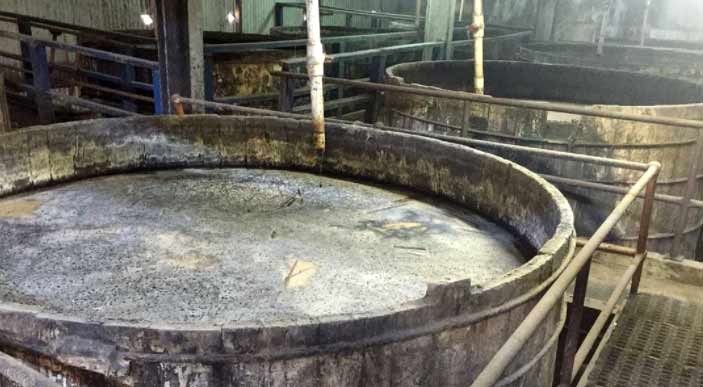
At Hampden, dunder is more than just a byproduct. It’s a treasured component that infuses each batch of rum with a unique depth of flavor. Dunder, the residue left after distilling a batch of rum, is added back into the fermentation tanks for new batches. This practice is not just about tradition. It’s a calculated step in enhancing the microbial environment of the fermentation process. Which is crucial for developing the rum’s distinctive ester profile.
The Role of High-Ester Production
Hampden Distillery specializes in high-ester rums, which are known for their bold, fruity, and sometimes funky flavors. These rums are produced using specific yeast strains and fermentation techniques. That promote the formation of esters—organic compounds that arise during fermentation and give rum its aromatic qualities. The addition of dunder provides nutrients and acids necessary for the yeast and bacteria to thrive. Resulting in the production of these highly sought-after esters.
Traditional Techniques
One of the most fascinating aspects of Hampden’s production process is its reliance on wild fermentation. Unlike many modern distilleries that use commercially cultured yeasts, Hampden allows its fermentations to occur naturally. The open fermentation tanks attract wild yeasts and bacteria native to the Trelawny region. Which contribute to the rum’s unique flavor profile. This process can take significantly longer than controlled fermentations, but it’s a testament to Hampden’s commitment to traditional methods.
The Impact of Dunder Pits
Hampden Distillery also employs the use of muck pits. Which are essentially deep pits where dunder, along with other organic and inorganic materials. Is left to ferment and decompose over time. This decomposition process creates a rich, complex mixture that when reintroduced into the rum production process. Significantly enhances the esterification that defines Hampden’s rums. These muck pits are a vital part of creating the “Hampden Funk”. A term affectionately used by rum enthusiasts to describe the distinctive, robust character of the distillery’s products.
A Taste of Jamaican Funky Rum Tradition
Rums from Hampden Distillery are a testament to the flavors that can be achieved through historical practices and patience. The rums are not only a favorite among connoisseurs for their depth and complexity. But also serve as a cultural emblem of Jamaican spirit-making. Each bottle of Hampden rum offers a taste of the island’s rich history and a direct connection. To centuries-old practices of rum production.
Preserving Heritage
In a world where industrial production methods prevail. Hampden Distillery stands out for its dedication to preserving the heritage of Jamaican rum-making. By maintaining the use of dunder and muck pits, along with other traditional practices. Hampden not only ensures the survival of these methods but also champions the distinct qualities they bring to its rums.
As the global community of rum lovers grows and evolves. Distilleries like Hampden are crucial in keeping the traditional soul of rum alive. Offering spirits that are not only enjoyable but also steeped in the history and culture of their origins. Hampden Distillery’s commitment to using dunder and other time-honored techniques. Ensures that each sip carries the legacy of Jamaican rum into the future.
Understanding Jamaican Funky Rum
To wrap your head around Jamaican rum is to dive deep into a spirit that’s evolved beautifully over its lifetime. It’s a world where tradition meets innovation, where every sip tells the story of its bold and spirited heritage.
Although this little snippet barely scratches the surface of the funky, fantastic world of Jamaican rum. It offers a glimpse into why dunder and muck pits are more than just quirky terms. —they’re essential chapters in the story of one of the world’s most charismatic spirits. So next time you pour yourself a glass of Jamaican rum, remember: you’re not just drinking rum; you’re sipping on history. Cheers to that!
Leave a Reply