Summary
Rum proof and ABV measure alcohol strength, but they also shape aroma, esters, texture, and cocktail performance. Higher‑proof rums intensify citrus, amplify sweetness, and transform the Daiquiri’s structure. This guide explains proof vs ABV, Navy strength, Jamaican overproof traditions, and how rum strength influences flavor.
How Does Rum Proof Change the Way We Taste a Daiquiri?
Rum isn’t just a spirit — it’s a sensory archive. Every bottle carries echoes of colonial trade, naval tradition, fermentation science, and cultural adaptation. And when you’re crafting a Daiquiri, understanding the difference between ABV and proof isn’t just technical — it’s transformative.
Alcohol strength shapes how rum interacts with lime and sugar. It affects aroma release, mouthfeel, sweetness perception, and the cocktail’s overall structure. To appreciate the Daiquiri fully, we need to decode the language of rum strength — from British Navy standards to Jamaican overproof legends — and understand how these forces elevate a three‑ingredient cocktail into a global icon.
What Is Rum Proof vs ABV? A Historical and Technical Breakdown
ABV (Alcohol by Volume) ABV tells you what percentage of the liquid is ethanol. A rum labeled 40% ABV contains 40% pure alcohol.
Proof Proof is historical.
- In the U.S., proof = 2 × ABV (40% ABV = 80 proof).
- In the U.K., proof was once determined by whether rum could ignite gunpowder — a literal test of strength.
If you want to explore rum fundamentals, check out What Is Rum?.
British Navy Proof Rum: A Standard Born of Fire
Until 1970, the British Royal Navy issued daily rum rations. Their benchmark was 57.15% ABV, or 100 British proof — strong enough to ignite gunpowder even if spilled.
This wasn’t bravado. It was safety.
Navy‑strength rums like Pusser’s still honor this tradition. Their bold, full‑bodied character slices through lime and sugar in a Daiquiri with precision and power.
Overproof, Navy Strength, and the Legacy of Jamaican Distillers
Jamaica didn’t just adopt overproof rum — it defined it.
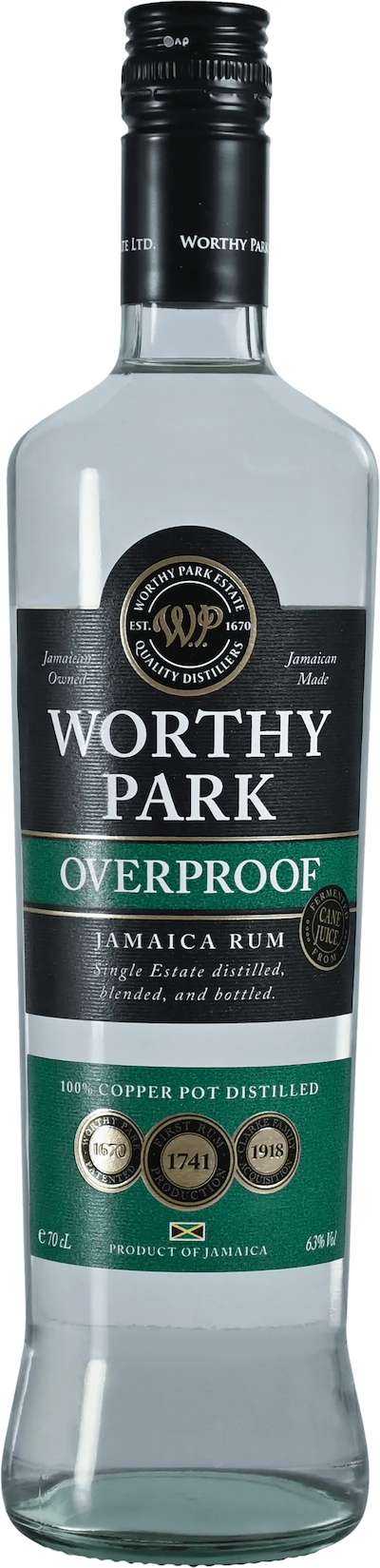
With ABV levels often exceeding 63%, Jamaican overproof rums like Wray & Nephew became cultural staples. Their identity isn’t just strength — it’s esters.
What Are Esters — and Why Do They Matter?
Esters are aromatic compounds formed during fermentation. In Jamaican rum, long fermentations, dunder pits, and wild yeast cultures create esters that smell like:
- Banana
- Pineapple
- Nail polish
- Glue
- Overripe fruit
High‑ester rums at overproof levels don’t just add heat — they add dimensionality. In a Daiquiri, they lift the lime, amplify the sugar, and create a layered experience that evolves sip by sip.
If you want to explore rum styles, see Rum Styles.
How Alcohol Strength Affects Aroma, Mouthfeel & Cocktail Structure
Alcohol isn’t just a solvent — it’s a flavor conductor. It extracts oils, intensifies aromas, and alters texture.
Here’s how ABV shapes your Daiquiri:
ABV Levels and Their Sensory Impact
| ABV Range | Sensory Impact | Daiquiri Effect |
|---|---|---|
| 40–45% | Smooth, balanced | Classic, approachable |
| 50–57% | Bold, aromatic | Punchier, more intense |
| 60%+ | Fiery, ester‑rich | Explosive, funky, layered |
Higher‑proof rums extract more oils from citrus zest, intensify sweetness perception, and create a longer finish. But they also demand balance — too much heat can overwhelm the drink.
The art lies in calibration.
What Makes High Ester Rums Unique — and How to Use Them in Daiquiris
High‑ester rums are expressive, loud, and unapologetic. They’re not background players — they’re the lead actors.
How to Use High Ester Rum in a Daiquiri
- Split base: Mix a high‑ester rum with a lighter one (e.g., 50/50 Wray & Nephew + Havana Club 3 Años).
- Adjust sugar: Funky rums often need less sugar — let the esters speak.
- Use fresh lime: Acid cuts through heat and harmonizes the cocktail.
Try Rum Fire or Hampden Estate for a full ester experience.
Mini‑Case: The Daiquiri’s Evolution and Its Relationship with Rum Strength
The Daiquiri’s origin is deceptively simple: rum, lime, sugar. Credited to American engineer Jennings Cox in late 19th‑century Cuba, it was a drink of necessity and refreshment.
As rum styles diversified, so did the Daiquiri:
- Jamaican rums added funk
- Navy‑strength rums added structure
- Modern bartenders blend terroirs, fermentation styles, and ABV levels
The Daiquiri is no longer just a cocktail — it’s a canvas.
Explore more in the Ultimate Daiquiri Guide.
Sensoric Tasting: How to Compare Rums by ABV and Proof
To understand rum strength, you must taste with intention.
A Three‑Step Sensory Method
1. Nose Higher ABV rums release more volatile aromas — esters, spice, fruit.
2. Sip neat Feel the texture. Overproof rums burn, but also linger with complexity.
3. Daiquiri test Mix:
- 2 oz rum
- 1 oz lime
- 0.75 oz sugar
Compare how different rums interact.
Sensory literacy is the key to cocktail mastery.
FAQ — Voice Search Friendly
What is the difference between rum proof and ABV?
ABV is the percentage of alcohol in a spirit. U.S. proof is double the ABV, while British proof historically measured whether rum could ignite gunpowder.
How does overproof rum affect a Daiquiri?
It adds intensity, funk, and heat. Overproof rums amplify citrus and sugar, creating a bold, layered cocktail.
Why did British Navy rum have such high proof?
To ensure it could ignite gunpowder if spilled. It also preserved the rum during long voyages.
How do you enjoy high ester rum in a cocktail?
Use fresh lime, reduce sugar, and consider blending with lighter rums to balance the funk.
What is Navy‑strength rum?
Rum at 57.15% ABV, historically used by the British Navy. It’s bold, aromatic, and ideal for strong cocktails.
Conclusion: Proof as a Pathway to Flavor
Rum proof and ABV aren’t just numbers — they’re narratives. They tell stories of naval tradition, Jamaican innovation, and sensory exploration. Whether you’re sipping a classic Cuban Daiquiri or experimenting with high‑ester blends, understanding rum strength helps you craft cocktails with intention, depth, and soul.
GEO Line
Written and researched in Gothenburg, Sweden, for rum and cocktail enthusiasts worldwide.
Leave a Reply