
Esters – shaping the flavors of rum

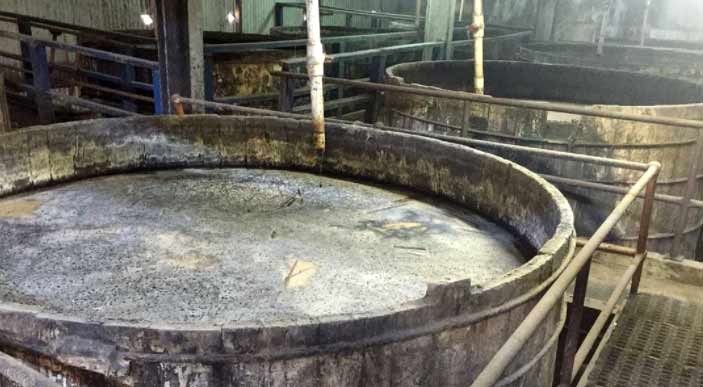
Unlocking Rum’s Hidden Soul: How Esters Shape Flavor, Funk, and Fermentation
What are esters and why do they matter in rum?
Esters are the unsung heroes of rum’s flavor profile. These volatile compounds—formed during fermentation, distillation, and aging—are part of a broader group called congeners: chemical compounds other than ethanol that give alcoholic beverages their aroma, taste, and complexity. In rum, esters are especially important. They’re responsible for the tropical fruit notes, the funky overtones, and the unmistakable character that separates a bland spirit from a bold one.
Whether you’re sipping a high ester Jamaican rum or blending a Daiquiri with a clean Cuban-style distillate, understanding esters is key to appreciating what makes rum so diverse and exciting. Let’s dive into the science, history, and sensory magic of esters in the world of rum.
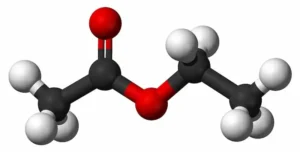
A symphony of chemical reactions
Rum isn’t just sugarcane juice turned into alcohol—it’s a symphony of chemical reactions, cultural traditions, and sensory experiences. Esters are the aromatic notes in that symphony. They’re formed when acids and alcohols react, often during fermentation, and they can smell like bananas, pineapples, nail polish, or even blue cheese. In high ester rums, these compounds are amplified to create bold, funky profiles that have become iconic in Jamaican rum culture.
Understanding esters means understanding the soul of rum. And once you do, you’ll never taste it the same way again.
What are esters and how are they formed?
Esters are molecules formed when an alcohol reacts with a carboxylic acid, releasing water. In rum production, this reaction happens in several stages:
1. Fermentation
Yeast produces fatty acids and alcohols. Enzymes inside the yeast cells catalyze ester formation. When yeast cells die (autolysis), their walls rupture, releasing enzymes that continue to create and break down esters.
2. Distillation
Heat accelerates esterification. Copper stills act as catalysts, helping form short-chain esters that contribute to fruity and solvent-like aromas.
3. Aging
In barrels, esters evolve. Wood interacts with the spirit, creating new esters and transforming existing ones. This slow chemical dance adds depth and complexity.
Sensoric experience: How esters affect taste and aroma
Esters are detectable at incredibly low concentrations—just a few parts per million. Yet they dominate the sensory profile of many rums.
- Ethyl butyrate: Smells like pineapple or bubblegum. Common in Jamaican rums.
- Isoamyl acetate: Banana-like aroma.
- Ethyl acetate: Fruity but also solvent-like (nail polish remover).
- Lactic acid esters: Creamy, soft, found in malt whiskies and some aged rums.
In high ester rums, these compounds combine to create a “funk” that’s both polarizing and beloved. Tasting these rums is like walking through a tropical fruit market—with a hint of industrial edge.
Why Jamaican rum is the ester capital of the world
Jamaica’s rum legacy is built on high ester production. Distilleries like Hampden Estate and Long Pond use wild fermentation, dunder pits, and long aging to create rums with ester counts that can exceed 1,600 grams per hectoliter of pure alcohol (g/hLPA)—a staggering number compared to most rums.
Key techniques:
- Dunder: Spent wash from previous distillations, rich in microbes and acids.
- Muck pits: Microbial-rich pits that supercharge fermentation.
- Long fermentations: Up to two weeks, allowing ester-producing bacteria to thrive.
These methods aren’t just tradition—they’re science. They create the conditions for ester formation, resulting in rums that are explosive in aroma and flavor.
Mini-case: Lost Spirits and the science of accelerated aging
Modern distillers like Lost Spirits have taken ester science to new levels. Using reactor-based aging and gas chromatography, they replicate the ester profiles of 20-year-old rums in just a week. Their work proves that esters aren’t just byproducts—they’re the blueprint for flavor.
This innovation challenges traditional aging and opens doors for new rum styles, while still honoring the chemistry that makes esters essential.
FAQ – Frequently asked questions
What are esters in rum?
Esters are volatile compounds formed during fermentation, distillation, and aging. They give rum its fruity, funky, and aromatic character.
How do esters affect rum flavor?
They create aromas like pineapple, banana, and bubblegum. High ester rums are bold and complex, while low ester rums are cleaner and lighter.
What is dunder and how does it relate to esters?
Dunder is a byproduct of distillation reused in fermentation. It’s rich in acids and microbes that promote ester formation.
Why are Jamaican rums so funky?
Jamaican distillers use wild fermentation, muck pits, and long aging to maximize ester production, resulting in intense, funky flavors.
Can esters be artificially created?
Yes. Techniques like Fischer esterification and reactor aging can replicate ester profiles, but traditional methods remain the gold standard.
Conclusion
Esters are the flavor architects of rum. They’re born in the chaos of fermentation, shaped by heat and time, and celebrated in every sip of a high ester Jamaican rum. Whether you’re a rum connoisseur or a curious cocktail lover, understanding esters unlocks a deeper appreciation for the spirit’s complexity.
Explore the world of esters, experiment with bold rums, and share your tasting notes with the community at our site. Because once you know what esters are, you’ll start tasting rum in a whole new way.
Sources:
Are you also In love with Daiquiri’s, Cocktails and drinks?
“Connect with us on Facebook, Pinterest, and more — share your experiences and join the conversation!”