
Pina Colada
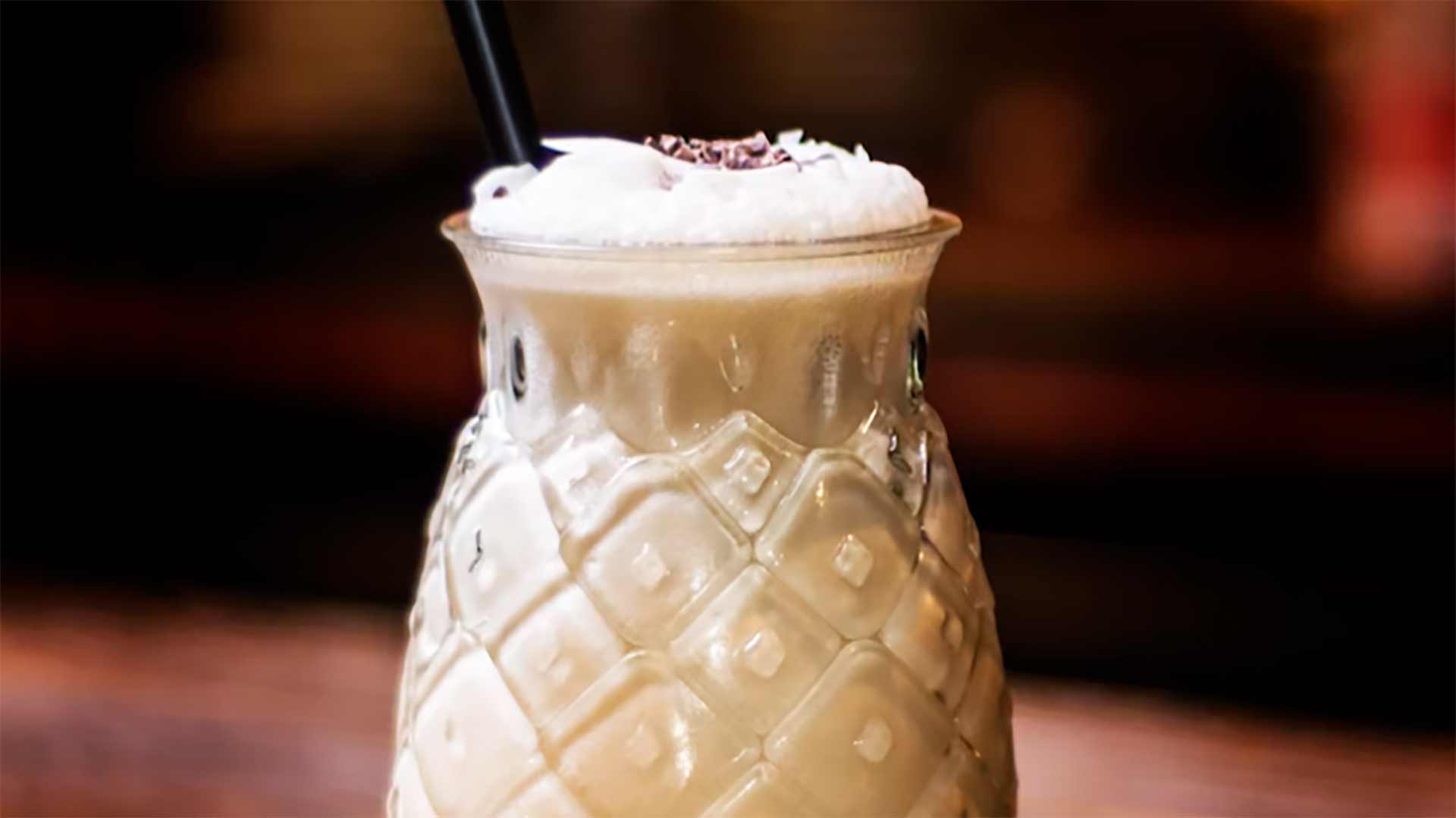
Piña Colada: The Tropical Icon of Cocktail Culture
Few cocktails evoke the spirit of vacation quite like the Piña Colada. With its creamy texture, sweet pineapple tang, and smooth rum kick, it’s a drink that whispers “paradise” with every sip. But behind the beachside bliss lies a rich history of invention, cultural pride, and creative evolution.
What Is a Piña Colada?
The Piña Colada is a cocktail made with:
- White rum
- Cream of coconut
- Pineapple juice
- Crushed ice
It’s typically blended until smooth and served in a chilled glass, garnished with a pineapple wedge and maraschino cherry. The name translates from Spanish as “strained pineapple,” referring to the fresh juice used in its preparation.
Origins & Invention
The Piña Colada was born in Puerto Rico, and its origin story is as colorful as the drink itself.
The Cream of Coconut Breakthrough
In 1954, Ramón López Irizarry, a professor at the University of Puerto Rico, developed Coco López, a sweetened cream of coconut that became the key ingredient in the Piña Colada.
The Caribe Hilton Claim
That same year, Ramón “Monchito” Marrero, a bartender at the Caribe Hilton Hotel in San Juan, is said to have created the Piña Colada using rum, pineapple juice, and Coco López. He spent months perfecting the recipe to capture the essence of Puerto Rico. In 2004, the Puerto Rican government officially recognized the hotel as the birthplace of the Piña Colada.
The Barrachina Controversy
Another claim comes from Ramón Portas Mingot, who allegedly invented the drink in 1963 at Barrachina Restaurant in Old San Juan. The restaurant even displays a plaque honoring the invention. While the evidence is less concrete, it’s clear that Puerto Rico is the true home of the Piña Colada.
Rise to Global Fame
By the 1970s, the Piña Colada had become a symbol of tropical luxury. Its popularity soared thanks to:
- Tourism in the Caribbean
- Tiki bar culture
- Pop culture references, including Rupert Holmes’ 1979 hit “Escape (The Piña Colada Song)”
In 1978, Puerto Rico declared the Piña Colada its official national drink, cementing its status as a cultural icon.
Classic Piña Colada Recipe
Ingredients:
- 60 ml white rum
- 90 ml pineapple juice
- 30 ml cream of coconut
- 1 cup crushed ice
Instructions: Blend all ingredients until smooth. Serve in a Poco Grande or hurricane glass. Garnish with pineapple and cherry.
Popular Variations
The Piña Colada is endlessly adaptable. Here are some delicious twists:
| Variation | Description |
|---|---|
| Strawberry Colada | Adds fresh strawberries for a fruity, pink twist |
| Mango Colada | Tropical and tangy with ripe mango puree |
| Coconut Mojito Colada | Combines mint and lime for a mojito-inspired hybrid |
| Spiced Rum Colada | Uses aged or spiced rum for depth and warmth |
| Frozen Piña Colada | Extra ice for a slushy texture, perfect for hot days |
| Virgin Colada | Omits rum for a non-alcoholic, family-friendly version |
| Piña Colada Martini | Shaken and served up for a sleek, modern presentation |
| Piña Colada Float | Topped with coconut ice cream or whipped cream |
Bartender Tips for the Perfect Colada
- Use fresh pineapple juice for brightness and acidity
- Don’t skip the cream of coconut—it’s richer than coconut milk
- Blend, don’t shake, for the signature silky texture
- Garnish generously to enhance aroma and presentation
Cultural Significance
The Piña Colada isn’t just a drink—it’s a celebration of Caribbean heritage. It represents:
- Puerto Rican pride
- Tropical escapism
- The fusion of local ingredients and global influence
Whether you’re sipping one on a beach in San Juan or blending one in your kitchen in Göteborg, the Piña Colada brings sunshine to any setting.
Final Sip
From its humble beginnings in a Puerto Rican hotel bar to its status as a global cocktail superstar, the Piña Colada has earned its place in the pantheon of iconic drinks. It’s sweet, it’s creamy, it’s tropical—and it’s a reminder that sometimes, the best things in life come with a cherry on top.
Are you also In love with Daiquiri’s, Cocktails and drinks?
“Connect with us on Facebook, Pinterest, and more — share your experiences and join the conversation!”