
History and Background
Ernest Hemingway, who affectionately called himself “Papa,” adopted El Floridita in Havana as his second home during the 1930s and 40s.
He asked bartender Constantino Ribalaigua for a “double” daiquiri without sugar—seeking a cleaner taste and a stronger rum presence. This became the Papa Doble, or Hemingway Special.
Hemingway Special Daiquiri – Deep Dive
Ingredients
- 60 ml (2 oz) high-quality white rum
- 22 ml (¾ oz) fresh ruby grapefruit juice
- 15 ml (½ oz) fresh lime juice
- 15 ml (½ oz) maraschino liqueur
- Ice
Equipment
- Cocktail shaker
- Jigger or measuring spoons
- Hawthorne strainer (or fine strainer)
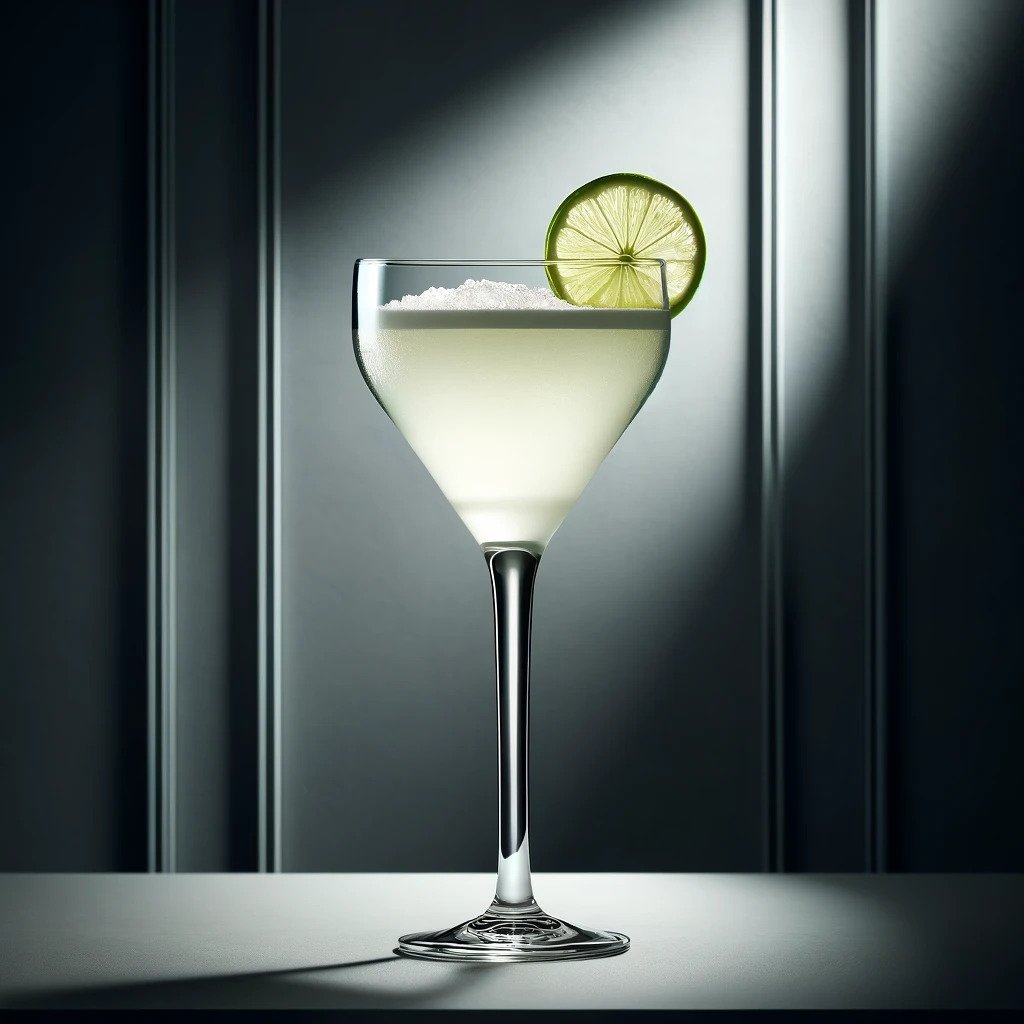
- Chilled coupe or Nick & Nora glass
Preparation
- Fill your cocktail shaker with ice.
- Pour in the white rum, grapefruit juice, lime juice, and maraschino liqueur.
- Shake vigorously for 10–15 seconds, until the outside of the shaker feels icy cold.
- Strain into a well-chilled coupe or Nick & Nora glass.
Garnish
- Float a thin grapefruit twist on the surface, or
- Perch a small lime wheel on the rim
Tasting Notes
Expect a bright, tart whirl of citrus with a clean, spirited backbone—no added sugar, just Hemingway’s preferred “double” dose of rum. Perfectly balanced and fiercely refreshing.
Ingredient Selection and Preparation
- White Rum: Choose a light, clean rum with balanced character (for example, Havana Club 3 Años or Plantation 3 Stars).
- Ruby Grapefruit Juice: Freshly squeezed pink or red grapefruit provides both acidity and a hint of sweetness. Strain out seeds and pulp for a smooth texture.
- Lime Juice: Freshly squeezed immediately before mixing to capture the brightest, sharpest acidity.
- Maraschino Liqueur: Adds a delicate nutty-cherry nuance without overpowering the cocktail.
Chill your glass—either in the freezer or by filling it with ice water while you shake the drink.
History of the Hemingway Special
Ernest Hemingway’s signature daiquiri—known today as the Hemingway Special or Papa Doble—was born at El Floridita, a legendary Havana bar, in the 1930s. Seeking something stronger and less sweet than the classic daiquiri, Hemingway asked bartender Constantino Ribalaigua to double the rum and omit the sugar.
Key Milestones
- 1932–1937: Hemingway takes up residence in Havana and becomes a regular at El Floridita.
- Request for a “double daiquiri without sugar” leads Ribalaigua to experiment.
- Addition of fresh grapefruit juice and maraschino liqueur balances acidity and adds complexity.
- The drink is christened “Papa Doble,” honoring Hemingway’s nickname “Papa.”
- Over time, bartenders worldwide adopt the recipe under names like “Hemingway Special.”
Cultural Impact
- Cemented Hemingway’s image as a bold, no-nonsense drinker.
- Influenced modern craft cocktail movement’s focus on fruit-forward, spirit-driven recipes.
- Remains a staple in Havana’s cocktail lore and menus from New York to Tokyo.
Advanced Variations
- Lightly Sweetened: Add 5–10 ml simple syrup if you prefer a rounder mouthfeel.
- Frozen Version: Blend all ingredients with crushed ice until you reach a slushy consistency—perfect for hot afternoons.
- Bitter Twist: A few dashes of Angostura or grapefruit bitters on top deepen the flavor profile.
Serving and Garnish
- Glassware: Serve in a well-chilled coupe or Nick & Nora glass.
- Grapefruit Twist: Float a thin spiral of grapefruit peel on the surface to release aromatic oils.
- Lime Wheel: Perch a small lime wheel on the rim for a pop of color and extra citrus aroma.
Further Exploration
- El Floridita’s Frozen Daiquiri: An early “slushie” version made with just rum, lime, and ice.
- Papa’s Punch: A large-format drink for sharing, featuring rum, fruit juices, and a splash of grenadine.
- Cocktail Atmosphere: Print your favorite Hemingway quotes on coasters and pair your daiquiris with Cuban tapas for the full Papa Doble experience.
Leave a Reply