
Cuba libre Cocktails

What Is a Cuba Libre?
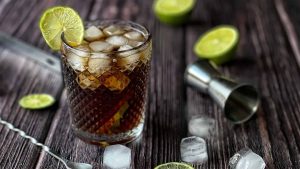
The Cuba Libre is a deceptively simple cocktail made with:
- White rum
- Cola
- Fresh lime juice
Served over ice and garnished with a lime wedge, it’s often mistaken for a basic rum and Coke—but the lime transforms it into something far more vibrant and balanced.
History of the Cuba libre Cocktail
The Cuba Libre cocktail has a long and fascinating history. It was first created in Havana, Cuba, in the early 1900s. At that time, Cuba was still a colony of Spain, and there was a lot of tension between the Cuban people and their Spanish rulers.
In 1900, the United States became involved in the conflict, and the Spanish-American War broke out. The war was short but intense, and it ended with the signing of the Treaty of Paris in 1898. As a result of the treaty, Spain ceded control of Cuba to the United States.
The Cuba libre cocktail
The Cuba Libre cocktail is said to have been created in celebration of Cuba’s newfound independence. Legend has it that a group of American soldiers were drinking in a Havana bar when one of them ordered a rum and coke. Another soldier suggested that they add a squeeze of lime to the drink, and the Cuba Libre was born.
The name “Cuba Libre” means “Free Cuba” in Spanish, and the cocktail quickly became a symbol of the country’s independence. It’s said that the drink was so popular in Cuba that it was served in every bar and restaurant on the island.
Historical Origins
The Cuba Libre was born in Havana, Cuba, around 1900, during a pivotal moment in history:
- After the Spanish-American War, American troops introduced Coca-Cola to Cuba.
- Locals began mixing Cuban rum with cola and lime, toasting with the phrase “¡Por Cuba Libre!“—which means “For a Free Cuba“.
- The cocktail became a symbol of Cuban independence, blending American influence with Cuban spirit.
Its name and origin are deeply tied to political change, making it one of the few cocktails with a revolutionary backstory.
Global Rise to Fame
The Cuba Libre’s popularity exploded thanks to:
- Coca-Cola’s global expansion: As the soda spread worldwide, so did the cocktail.
- Ease of preparation: With just three ingredients, it became a go-to drink in bars, homes, and parties.
- Cultural symbolism: It represented freedom, rebellion, and the blending of cultures.
By the mid-20th century, the Cuba Libre was a staple in cocktail menus across Europe, the Americas, and Asia.
Why It’s More Than Just Rum & Coke
The Cuba Libre stands apart because:
- Lime juice adds acidity that balances the sweetness of cola and the warmth of rum.
- The spent lime shell adds bitterness and visual flair, elevating it to a proper cocktail.
- It carries a “fighting spirit”—a nod to its revolutionary roots.
Popular Variations
| Variation | Description |
|---|---|
| Dark Rum Libre | Uses aged or spiced rum for deeper flavor |
| Mexican Libre | Made with Mexican Coke (cane sugar-based) |
| Coconut Libre | Adds coconut rum for a tropical twist |
| Bitters Libre | A dash of bitters adds complexity |
| Mocktail Libre | Omit rum for a non-alcoholic version |
Each variation keeps the core trio—rum, cola, lime—but adds a local or personal twist.
Cultural Impact
In Cuba, the Cuba Libre is more than a drink:
- It’s served at celebrations, milestones, and casual gatherings.
- It represents resilience, identity, and joy.
- It’s a gateway cocktail—easy to make, hard to forget.
Authority & Expertise

About the Author
Michael Baggelin is a rum‑tasting tutor, curious Daiquiri mixologist, and digital strategist based in Göteborg, Sweden. With over 25 years of experience as the Senior SEO-Specialist, AI‑driven SEO workflows, and structured digital systems, Michael brings the same precision to rum education as he does to his professional craft. His work blends sensory exploration with technical understanding — from acidity and esters to UX and data‑driven structure — creating a unique, analytical approach to rum and cocktail culture.
Are you also In love with Daiquiri’s, Cocktails and drinks?
“Connect with us on Facebook, Pinterest, and more — share your experiences and join the conversation!”